



How to Book Your Bhutan Trip from Australia: A Practical Guide
Travelling to Bhutan from Australia is an extraordinary experience, offering a rare combination of breathtaking Himalayan landscapes, centuries-old Buddhist traditions and a profound sense of peace that is difficult to find elsewhere.
Unlike typical tourist destinations, Bhutan has carefully managed its tourism sector to protect its pristine environment and rich cultural heritage, ensuring that every visit is both unique and responsible.
From the moment you begin planning, you’ll discover a journey that prioritises meaningful cultural immersion, mindful exploration and sustainable practices. Many Australians choose trusted specialists like Druk Asia, a leading Bhutan travel expert known for crafting seamless itineraries, arranging visas and ensuring a smooth, stress-free experience from start to finish.
This practical guide walks you through every step of the process from selecting the right travel agency and organising your itinerary to securing visas, booking flights and preparing for a memorable adventure in the Land of the Thunder Dragon.
Understanding Bhutan’s Tourism Policy
Before booking your trip, it’s important to understand Bhutan’s “High Value, Low Volume” tourism policy. This policy ensures that the country preserves its cultural heritage and natural environment. Unlike other destinations, travellers cannot visit independently and must book through a licensed Bhutanese tour operator or an international partner.All packages include accommodation, transportation, a licensed guide, and a Sustainable Development Fee (SDF). This fee contributes to healthcare, education, and environmental conservation initiatives in Bhutan. Understanding this approach is crucial because it shapes how you plan and budget your trip.
When to Travel to Bhutan from Australia
Bhutan experiences four distinct seasons, each offering its own charm and unique opportunities for exploration, making the timing of your visit an important consideration.
Spring (March–May): Spring is considered one of the most beautiful times to visit Bhutan. The valleys and hillsides burst into vibrant colours as rhododendrons, magnolias, and other native flowers bloom. Temperatures are mild, making it comfortable for trekking, sightseeing, and exploring monasteries. This season also coincides with several local festivals, providing travellers with a glimpse of Bhutanese culture in full swing.
Summer/Monsoon (June–August): Summer in Bhutan is marked by the monsoon season, bringing frequent rains that transform the landscape into lush greenery. While travel can be a bit more challenging due to wet conditions and slippery trails, the scenery is breathtaking. Tourist numbers are lower during this period, offering a more serene and intimate experience with nature and local communities.
Autumn (September–November): Autumn is the peak tourist season in Bhutan, thanks to clear skies, mild temperatures, and stunning views of the Himalayas. This is also the time for major festivals such as the Thimphu Tshechu, where visitors can witness vibrant masked dances and traditional ceremonies. The pleasant weather and festive atmosphere make autumn a favourite among Australian travellers seeking a mix of sightseeing, photography, and cultural immersion.
Winter (December–February): Winter in Bhutan is colder, particularly in the higher altitudes, but it brings a sense of calm and tranquillity. Snow-capped peaks and crisp mountain air make it ideal for travellers seeking solitude and off-season experiences. Accommodation and travel costs are generally lower, and the country is less crowded, allowing for a more private and reflective journey.
Selecting the right season for your visit will influence not only your activities and comfort level but also costs, festival participation, and overall experience. For Australians, spring and autumn are often preferred because they provide a balance of pleasant weather, clear skies, and access to Bhutan’s vibrant cultural events. However, each season has its own appeal, offering travellers a different perspective of Bhutan’s natural and cultural beauty.
Choosing the Right Bhutan Travel Agency
Choosing a reliable Bhutan travel agency is one of the most important steps when planning your journey. Since independent travel is not permitted in Bhutan, your agency will act as the bridge between you and the country’s carefully regulated tourism system.
Licensed operators ensure that you comply with Bhutanese regulations, handle visas and permits, organise transportation and accommodation, and provide professional guides, all of which are essential for a smooth and enjoyable trip.
When selecting an agency, several key factors should be considered:Experience and Reputation: Look for agencies with a strong track record of organising Bhutan trips for international travellers. Reading reviews, testimonials, and travel blogs can provide insights into the quality of their service, responsiveness, and reliability. Experienced agencies are better equipped to handle unexpected situations, such as flight delays, itinerary changes, or special requests.
Customisable Itineraries: Bhutan offers a variety of experiences, from trekking and cultural tours to wildlife observation and festival visits. Ensure that your chosen agency can tailor your itinerary to suit your interests, pace, and budget. A flexible itinerary allows you to explore your preferred destinations and activities without being limited to a rigid schedule.
Clear Pricing: Transparent pricing is crucial to avoid surprises. Verify what is included in your package, such as accommodation, transportation, guides, meals, entrance fees, and the Sustainable Development Fee (SDF). Clarifying these details upfront helps you budget accurately and ensures you are getting value for money.
Local Partnerships: Agencies with strong connections to local Bhutanese operators have better access to authentic cultural experiences, high-quality accommodations, and knowledgeable guides. These partnerships often mean smoother logistics and insider experiences, such as private monastery tours or participation in local festivals.
For Australian travellers, popular and reliable options include Druk Asia, which specialises in Bhutan travel and has extensive experience organising trips for international visitors. Other international partners who work closely with licensed Bhutanese agencies can also provide comprehensive support, including flights, transfers, and customised experiences. Selecting the right agency is essential not just for convenience but for ensuring that your trip is safe, respectful, and truly memorable.
Understanding Costs and Packages
Travelling to Bhutan from Australia involves a variety of cost components that should be carefully considered during the planning stage. Understanding these costs upfront can help you budget accurately and avoid surprises during your trip.
Tour Packages: Most travellers book a package tour, which generally costs between USD 2,000 and 3,500 for a 7-day itinerary. These packages typically include accommodation in 3–5 star hotels or traditional Bhutanese lodges, transportation throughout the country, licensed guides, entrance fees to attractions, and the Sustainable Development Fee (SDF). While the upfront cost may seem higher than travelling independently in other countries, this all-inclusive approach ensures that your stay is comfortable, safe, and culturally immersive.
Flights: Airfare from Australia to Bhutan can range from AUD 1,200 to 1,800, depending on the departure city, airline, and travel season. Flights typically transit through Singapore, Bangkok, or Kathmandu before reaching Paro International Airport. Booking in advance and being flexible with your travel dates can help secure better deals.
Meals Outside the Package: Although most meals are included in the tour package, travellers should budget an additional AUD 100–200 for snacks, drinks, or occasional dining outside of scheduled arrangements. Bhutanese cuisine is unique and exploring local eateries can be a delightful cultural experience.
Extra Activities: While standard tours cover major attractions and activities, optional experiences such as extended treks, cultural workshops, photography tours, or private monastery visits may incur additional costs. Discussing these with your tour operator in advance allows you to plan your budget accordingly.
It is important to approach budgeting with Bhutan’s unique tourism model in mind. The “High Value, Low Volume” approach prioritises quality experiences and cultural preservation over mass tourism. While the initial investment may be higher than conventional travel destinations, it ensures that your trip is safe, comfortable, and culturally enriching. Moreover, the cost contributes directly to the local economy and Bhutan’s education, healthcare, and environmental conservation efforts, making your travel both meaningful and responsible.
Securing Your Visa and Permits
The process of obtaining a Bhutanese visa when travelling from Australia is carefully managed and coordinated through your licensed tour operator. It begins with providing a scanned copy of your passport along with your personal details to the tour operator.
This ensures that all official documentation is accurate and complete. Next, you will need to confirm your travel itinerary and make the required payment for your tour package, which includes the Sustainable Development Fee (SDF), guiding services, accommodation, and other essentials.
Once the tour operator has processed your information, you will receive your visa clearance letter via email. This letter serves as your official entry permit and must be presented at the departure airport before boarding your flight to Bhutan.
Upon arrival in Bhutan, the letter is checked again by immigration authorities. The SDF, which contributes to the country’s education, healthcare, and environmental conservation programs, is collected at this stage. Bhutanese visas are typically valid only for the duration of your booked stay and cannot be extended independently, so it is crucial to ensure that your itinerary and travel dates are accurate before submission.
Planning Your Itinerary
A well-planned itinerary is crucial for maximising your experience when travelling to Bhutan from Australia. With its diverse landscapes, rich cultural heritage, and vibrant traditions, Bhutan offers a range of experiences that require careful scheduling to fully appreciate. Key highlights to consider for your trip include:
Thimphu: The capital city is a fascinating blend of modernity and tradition. Visitors can explore historic dzongs such as Tashichho Dzong, visit national museums that showcase Bhutanese art and history, and stroll through local markets where handicrafts, textiles, and traditional souvenirs are sold. Thimphu also hosts several cultural festivals, providing an immersive introduction to Bhutanese customs and daily life.
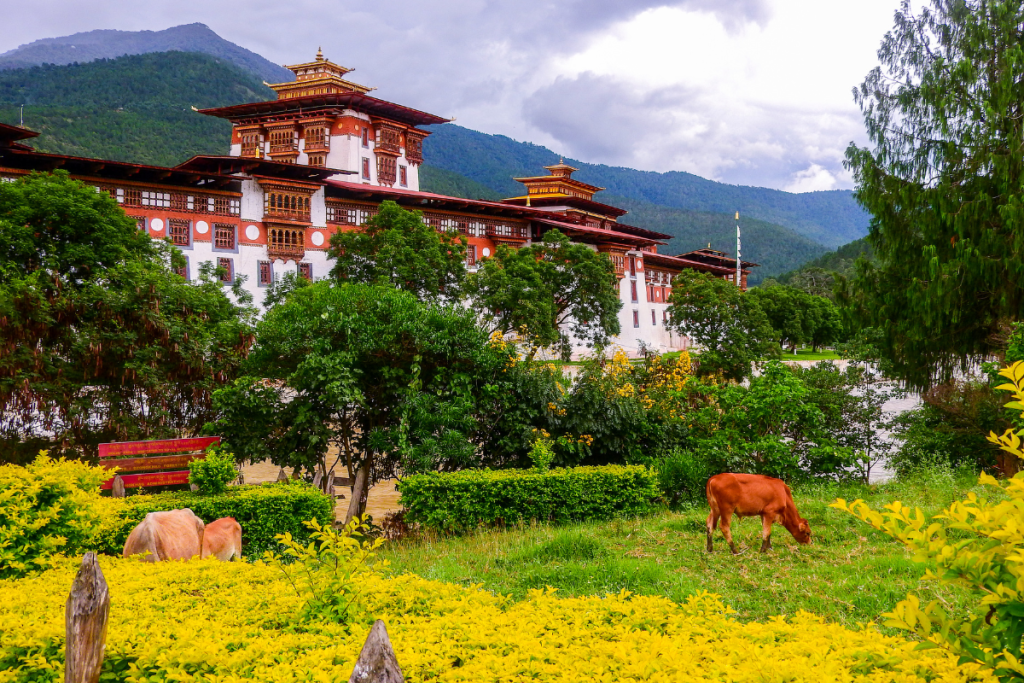
Punakha: Known as the former capital of Bhutan, Punakha is famous for the Punakha Dzong, one of the most impressive and photogenic fortress-monasteries in the country. Nestled at the confluence of two rivers and surrounded by lush rice fields, Punakha offers scenic landscapes perfect for leisurely exploration and photography. The valley is also home to charming villages where travellers can experience traditional Bhutanese rural life.
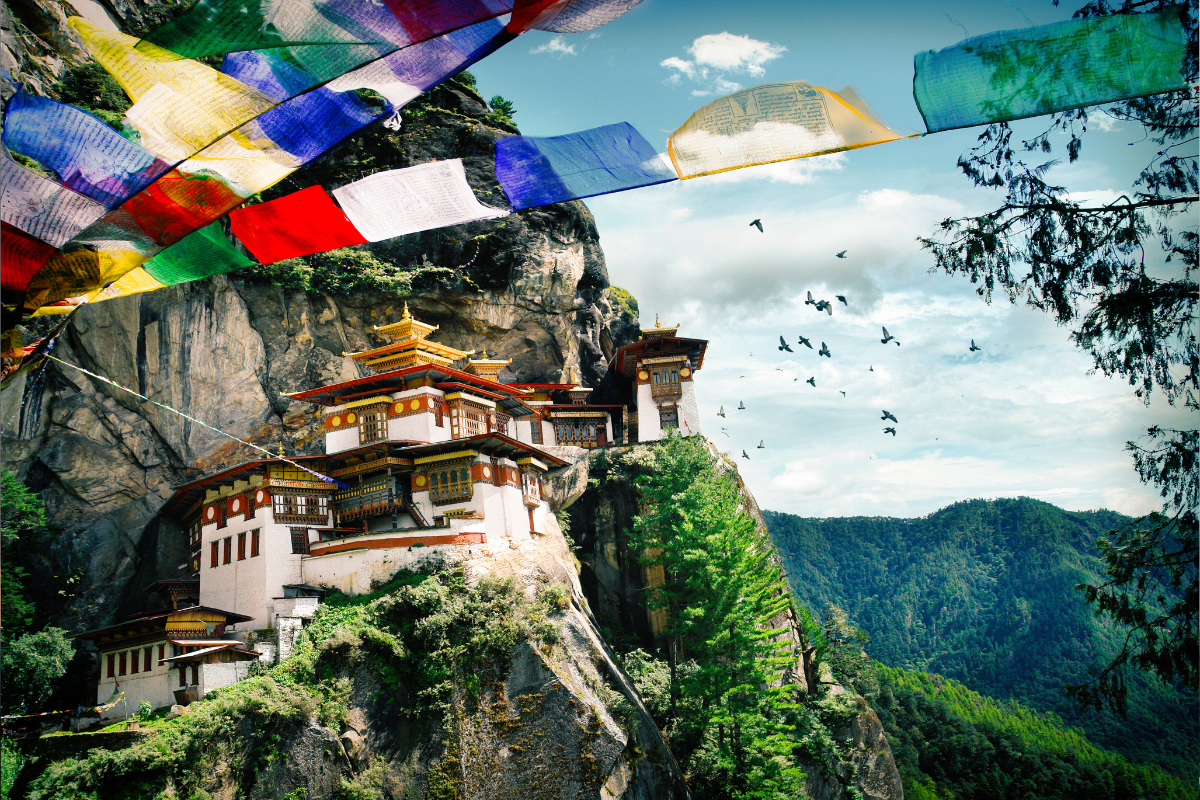
Paro: Paro is home to Bhutan’s most iconic landmark, the Tiger’s Nest Monastery (Taktsang), perched dramatically on a cliffside. The town itself features historic temples, charming streets, and the Paro Dzong. Hiking to the Tiger’s Nest is a highlight for many travellers, offering breathtaking panoramic views and an unforgettable spiritual experience.
Phobjikha Valley: For nature lovers and those seeking tranquility, Phobjikha Valley is ideal. This glacial valley is famous for its pristine landscapes, peaceful environment, and as the winter habitat of the endangered black-necked cranes. Gentle walks or cycling tours through the valley allow travellers to connect with nature while observing local agricultural practices and wildlife.
Tour operators can customise itineraries to cater to different interests, whether it’s trekking, cultural immersion, photography, or a combination of all three. A typical itinerary for first-time visitors usually spans 7–10 days, allowing sufficient time to explore each destination at a relaxed pace, participate in local festivals, and enjoy scenic drives through Bhutan’s breathtaking landscapes. Longer trips of 10–14 days provide even more opportunities for off-the-beaten-path experiences, including remote monasteries, hidden valleys, and extended trekking routes.
Planning ahead and collaborating with your tour operator ensures that your itinerary balances travel time, sightseeing, cultural experiences, and leisure, creating a comprehensive and memorable Bhutan adventure.
Booking Flights from Australia
Flights from Australia to Bhutan typically transit through Singapore, Bangkok, or Kathmandu before arriving at Paro International Airport, known for its dramatic Himalayan location. When booking, compare prices across airlines and transit options, and remain flexible with travel dates to secure the best fares. Many Bhutan tour packages include flights, simplifying planning and coordination. Booking early is essential, especially during peak seasons like spring and autumn festivals, as seats to Paro are limited. Be aware that weather can occasionally affect flights, so allowing buffer days in your itinerary ensures a smoother, stress-free start to your Bhutan adventure.
Accommodation Options in Bhutan
Accommodation in Bhutan ranges from luxury resorts to mid-range hotels and charming guesthouses, with most tour packages including a mix of 3–5 star options. When planning your stay, consider the proximity to attractions staying near dzongs, monasteries, or town centres reduces travel time and allows more opportunities for exploration.
Balance comfort and budget, as Bhutanese hotels often blend traditional architecture with modern amenities, offering a unique cultural atmosphere without compromising convenience.
For travellers seeking a deeper local experience, some guesthouses provide cultural immersion opportunities, such as sharing meals with Bhutanese families or participating in village activities. Your travel agency can help select accommodations that align with your preferences, itinerary, and budget, ensuring a comfortable and authentic stay.
Preparing for the Trip
Proper preparation is essential for a smooth and enjoyable trip when travelling to Bhutan from Australia. Physical fitness is important, as many trekking routes and monastery visits involve steep climbs or long walks. Weather awareness is also key, since Bhutan’s mountainous terrain can lead to sudden changes, from sunny skies to rain or even snow. Currency considerations are important: the Bhutanese Ngultrum (BTN) is widely used, but US dollars are also accepted in many places. Connectivity can be limited in remote areas, so plan for minimal internet access and inform family or colleagues accordingly. Being well-prepared enhances comfort, reduces stress, and allows you to fully appreciate Bhutan’s natural beauty and cultural experiences.
Health, Safety, and Travel Insurance
Health and safety are top priorities when travelling to Bhutan from Australia. Vaccinations should be up to date, and it’s wise to check for any additional recommendations specific to Bhutan before departure. Altitude considerations are important, as Paro and other higher regions can cause mild altitude sickness; gradual acclimatisation and staying hydrated help reduce symptoms. Travel insurance is essential, covering medical emergencies, cancellations, and trekking activities, as healthcare in remote areas is limited. While hospitals and clinics exist in major towns, rural regions have fewer facilities, making preparation crucial. Always consult your doctor prior to travel, carry essential medications, and pack a basic first-aid kit to ensure a safe and comfortable journey.
Cultural Etiquette and Local Customs
Bhutanese culture places a strong emphasis on respect, spirituality, and community, and travellers are expected to be mindful of local customs to ensure a meaningful and harmonious experience. When visiting dzongs, monasteries, and temples, it is important to dress modestly, covering shoulders and knees as a sign of respect.
Shoes should be removed before entering sacred spaces, and visitors should remain quiet and attentive during prayers or ceremonies. Public displays of affection are discouraged, reflecting Bhutan’s conservative cultural norms. Always ask for permission before photographing people, particularly monks, to respect their privacy. Observing local festivals and rituals with reverence enhances your cultural understanding and ensures an enriching, respectful experience.
Sustainable Travel Tips
Bhutan’s tourism policy is built around sustainability, aiming to preserve its environment, culture, and way of life. Travellers can actively contribute by minimising plastic usage and bringing reusable water bottles, which reduces environmental impact.
Supporting local artisans and businesses ensures that tourism income benefits communities directly while promoting traditional crafts and cultural practices. When exploring natural areas, always follow marked trails to protect fragile ecosystems and wildlife habitats.
Participating in community-based tourism experiences, such as homestays or local workshops, allows for meaningful interaction with Bhutanese people and culture. Practising responsible travel not only enriches your experience but also helps safeguard Bhutan’s cultural and natural heritage for future generations.
Packing Essentials
Packing smart is essential when travelling to Bhutan from Australia, as the country’s variable climate and diverse terrain require careful preparation. Comfortable trekking shoes are necessary for walking on uneven paths and hiking to monasteries.
Bring a warm jacket and layered clothing, even in summer, as temperatures can drop in the mountains. Protect yourself from the sun with sunscreen and sunglasses, and carry a scarf for respectful temple visits. A refillable water bottle helps stay hydrated while reducing plastic use, and a power adapter compatible with Bhutanese sockets keeps your devices charged.
Light rain gear and a hat are important for sudden showers. Pack thoughtfully according to the season and planned activities to ensure comfort, safety, and an enjoyable experience throughout your journey.
Common Questions About Travelling to Bhutan from Australia
Q: Can I travel independently in Bhutan?
A: No. All international travellers must book their trip through a licensed Bhutanese tour operator or an approved partner agency. This ensures compliance with Bhutan’s “High Value, Low Volume” tourism policy and provides access to guided services, transportation, and official permits.
Q: Do I need a visa?
A: Yes. Bhutanese visas are arranged exclusively through your tour operator. Once approved, you will receive a visa clearance letter, which must be presented at departure from Australia and upon arrival in Bhutan.
Q: Is Bhutan expensive?
A: While initial costs may seem higher compared to other destinations, the mandatory daily package covers accommodation, meals, a licensed guide, transportation, and the Sustainable Development Fee (SDF). This ensures a safe, seamless, and culturally immersive experience.
Q: What language is spoken?
A: Dzongkha is Bhutan’s national language. English is widely used in tourism, making communication straightforward for international visitors.
Q: Can I extend my stay in Bhutan?
A: Yes, but extensions must be coordinated through your tour operator and may incur additional fees, depending on accommodation, guide services, and the duration of the stay.
Final Thoughts
Travelling to Bhutan from Australia is a unique and enriching experience. By understanding Bhutan’s tourism policy, selecting the right travel agency, planning your itinerary, and preparing appropriately, you can enjoy a seamless journey through one of the world’s most serene and culturally rich destinations.
With careful planning, your Bhutan adventure will not only be unforgettable but also a meaningful contribution to the country’s sustainable tourism efforts.
Whether it’s trekking to the Tiger’s Nest, exploring Thimphu’s bustling streets, or immersing yourself in Bhutanese festivals, following this practical guide ensures your trip is well-organised, culturally respectful, and deeply rewarding.